
HVAC Repair in Norwich, CT
Homes here need heat from October through May and cooling from June through August. If your system quits, tell us what it's doing and a licensed contractor who covers Norwich will get in touch.
Tell us about the job
It takes about a minute.
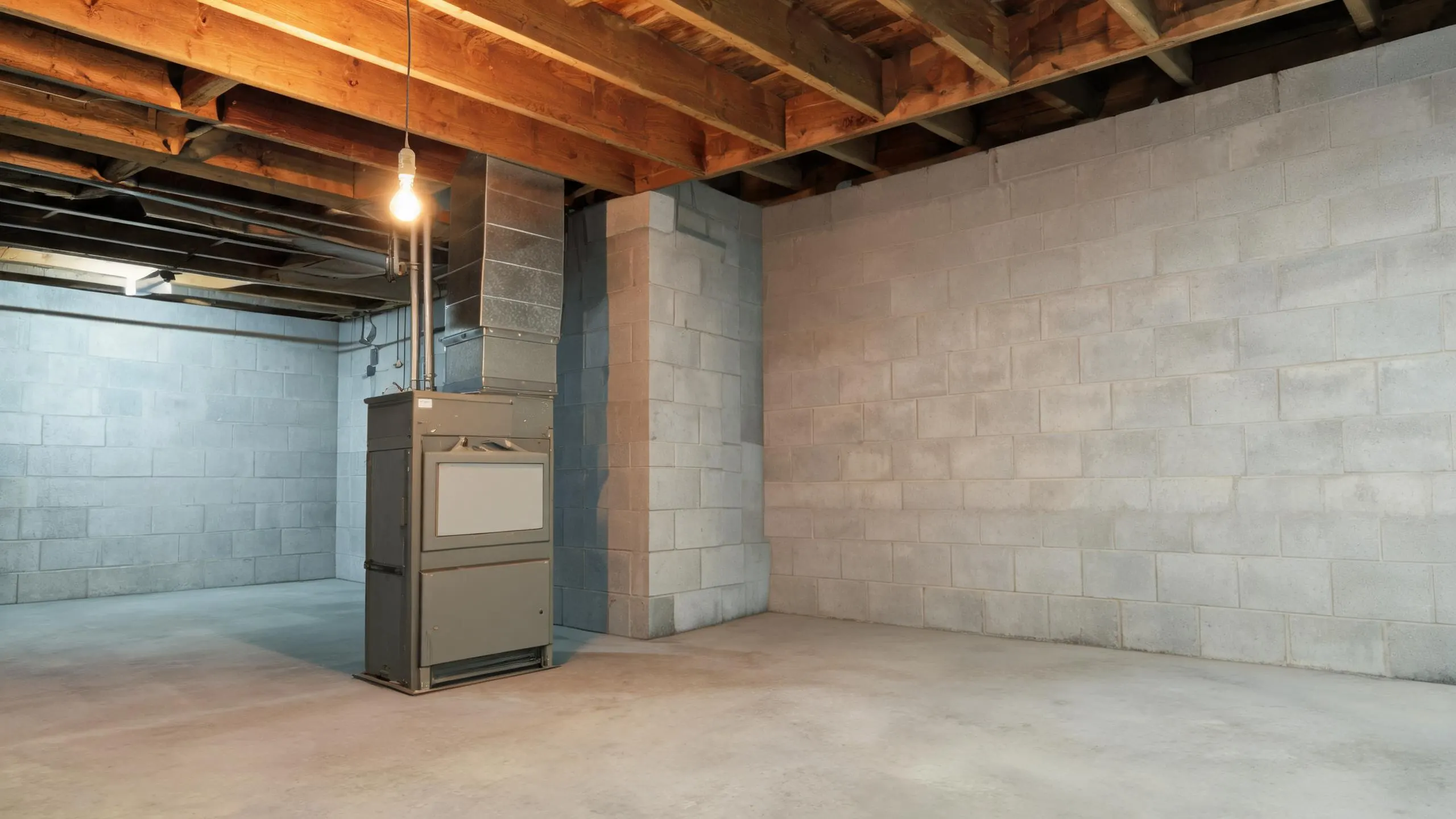
Eleven months of runtime wears a system down
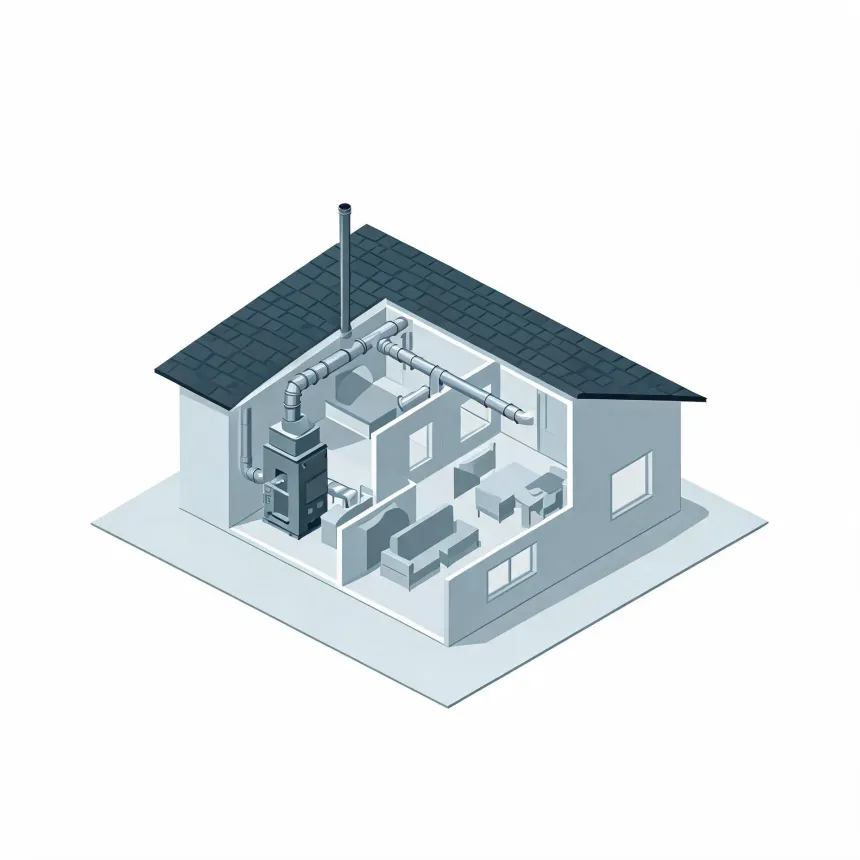
Your furnace or heat pump works from October through May here, then the cooling takes over for June through August. That leaves one month of rest a year. Nights average 24°F in the coldest months, so the burner or the compressor cycles on and off for hours trying to hold the house steady. Almost half of homes in the area heat with fuel oil, and that system has its own wear points. The nozzle clogs. The igniter weakens. The pump works harder than it should.
A fifth of Connecticut households lost power for a day or more in 2024. When that happens on a night this cold, a home loses warmth fast, and the system has to work to catch back up once power returns. If yours has been struggling to keep up or has gone quiet on you, the parts most likely at fault are the ones that have been running hardest all these months.
- 8 months
- October through May, your system heats
- 3 months
- June through August, it cools
- 24°F
- the average winter night it heats against
- 80°F
- the average summer afternoon it cools against
NOAA 1991–2020 monthly normals
Connecticut requires HVAC contractors to hold a state license.
The Department of Consumer Protection tests contractors before it licenses them, then keeps their record on file. That covers the contractor, not the specific repair at your house.
Because Connecticut licenses at the contractor level, that license is what stands behind whoever works on your system. It is the state's record that this contractor was tested before being allowed to do this work.
Sources: Connecticut General Assembly · Connecticut Department of Consumer Protection
- Why is my heat not working?
- Start with the thermostat. Make sure it is set to heat and the temperature is set higher than the room. If that looks right, check your breaker panel, because a tripped breaker will shut the furnace down with no warning. Furnaces that run on fuel oil also need oil in the tank, so if yours is one of the many oil-fired systems around here, check the gauge before you assume the worst. If power and fuel are both fine and the system still will not fire, a contractor licensed with the state will need to look at it.
- Why is my system running but not cooling the house?
- Check the air filter first. A clogged filter blocks airflow across the coil and can keep the house from cooling even though the unit is running. Next, check the thermostat is set to cool, not fan only. If the filter is clean and the thermostat is set right, the coil itself or the refrigerant charge may be the problem, and that calls for a licensed contractor to check with the right gauges.
- What can I check before calling for HVAC repair?
- Check the thermostat settings and its batteries if it uses any. Check the breaker panel for anything tripped. Check the air filter, since a filter packed with dust chokes off airflow in both winter and summer. If you heat with oil, check the tank level too. These take a few minutes and rule out the simplest causes before a contractor needs to come look at anything more involved.