
HVAC Repair in Middletown, CT
Homes here need heat from October through May and cooling from June through August. If your system quits, tell us what it's doing and a licensed contractor who covers Middletown will get in touch.
Tell us about the job
It takes about a minute.
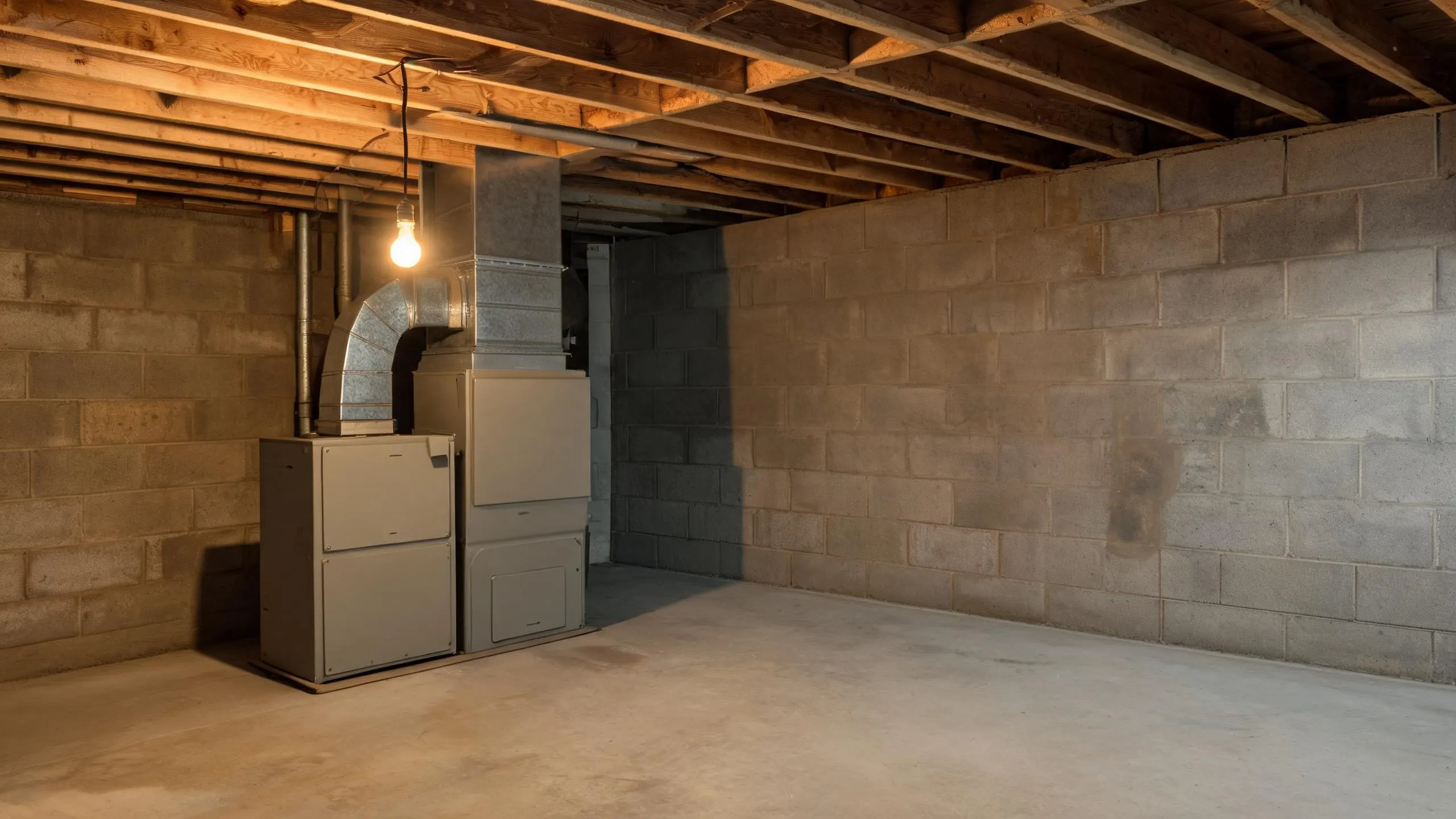
Eleven months of runtime wears on the same parts
Your system works almost all year here. Heat from October through May, cooling through the summer, only one month off in between. That is eleven months of a burner lighting or a compressor cycling on.
Winter nights averaging 23°F mean the furnace runs long and starts often to hold the house steady. More than half of homes here heat with fuel oil, and that kind of cold means the burner and igniter see heavy use each night. Summer afternoons near 82°F put a steady load on the compressor. And with 20% of Connecticut households losing power for at least a day in 2024, a system that comes back on by itself once power returns matters as much as one that runs well the rest of the year.
- 8 months
- October through May, your system heats
- 3 months
- June through August, it cools
- 23°F
- the average winter night it heats against
- 82°F
- the average summer afternoon it cools against
NOAA 1991–2020 monthly normals
Connecticut requires HVAC contractors to hold a state license.
That license comes from the Department of Consumer Protection, and it belongs to the contractor, not to the job. It covers the business doing the work, and the state has a record of who holds one.
For a repair to a heating and cooling system, that license is the thing standing behind the work. It is the contractor's license, not a separate check on this particular repair, so what protects the homeowner is knowing the business itself has answered to the state.
Sources: Connecticut General Assembly · Connecticut Department of Consumer Protection
- Why is my heat not working?
- Start with the thermostat and the power to the furnace. If the thermostat screen is blank, check the breaker and any switch that looks like a light switch near the furnace itself, since that shuts it off too. Gas furnaces will also stop and lock out if the igniter or flame sensor is dirty or worn, and oil furnaces do the same when the nozzle clogs or the burner loses its spark. More than half the homes here heat with fuel oil, so if your tank reads low or you smell oil near the unit, that is worth checking before anything else. A furnace that won't start after that needs a licensed contractor to look at it, since winter nights here can drop near 23°F and a small problem gets serious fast.
- Why is my system running but not cooling the house?
- The blower is moving air, but something is stopping that air from actually cooling. A dirty filter is the most common reason, since it chokes off airflow across the coil and the whole system struggles. Check the outdoor unit too. If the coil outside is covered in dirt, grass, or leaves, it can't release the heat it's pulling out of your house, so the air coming out of your vents stays warm. Low refrigerant is another cause, but that's not something to check yourself. It takes a licensed contractor with the right gauges to find a leak and recharge the system properly.
- What can I check before calling for HVAC repair?
- Check the thermostat first. Make sure it's set to heat or cool as needed, the batteries aren't dead, and the temperature is actually set where you want it. Next, check the filter. A filter clogged with dust will choke airflow and can make a furnace or air conditioner act like something bigger is wrong. Look at the breaker panel and any shutoff switch near the unit itself, since a tripped breaker or a switch bumped off will stop the system cold. Outside, clear away leaves, grass, or anything blocking the outdoor unit. If none of that explains it, a licensed contractor can diagnose what's actually wrong. Connecticut requires HVAC contractors to hold a state license through the Department of Consumer Protection, so ask for that when you call.