
HVAC Repair in Bridgeport, CT
Homes here need heat from October through May and cooling from June through September. If your system quits, tell us what it's doing and a licensed contractor who covers Bridgeport will get in touch.
Tell us about the job
It takes about a minute.
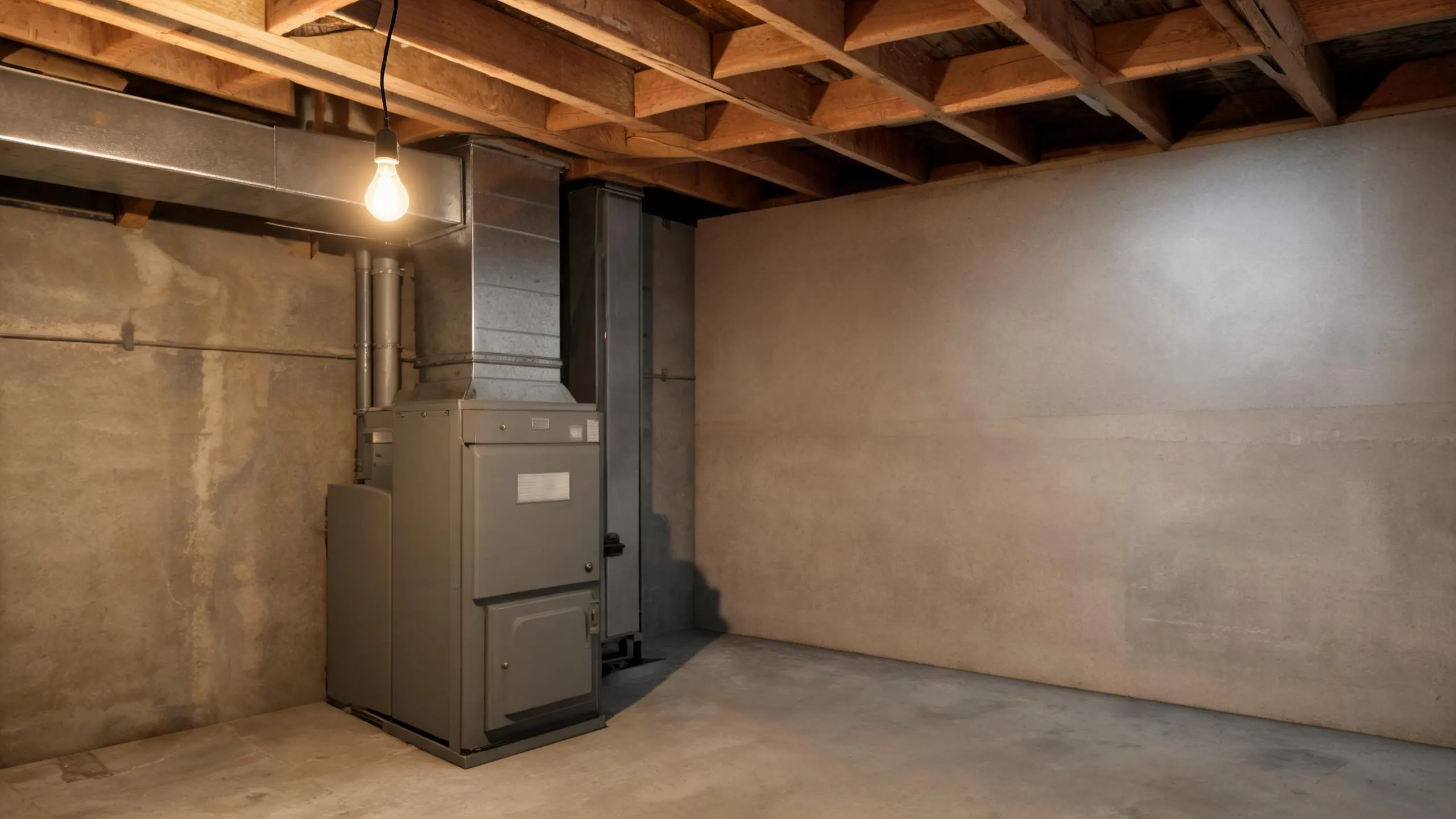
Bridgeport runs its system almost year round
Heat runs from October through May here, then the same system switches over and cools you from June through September. That is eight months of heating and four of cooling, which leaves the equipment little time off. Winter nights averaging 26°F mean the furnace cycles on and off for hours at a stretch, and each cycle puts wear on the igniter and the burner. Gas heats 57.4% of homes here, so that ignition system is doing the work most winter nights.
Summer afternoons averaging 81°F push the other direction, running the compressor hard through the four months it gets used. In 2024, 20% of Connecticut households lost power for a day or more, and most furnaces and air conditioners restart on their own once power returns. If yours does not, that is worth a call rather than a wait.
- 8 months
- October through May, your system heats
- 4 months
- June through September, it cools
- 26°F
- the average winter night it heats against
- 81°F
- the average summer afternoon it cools against
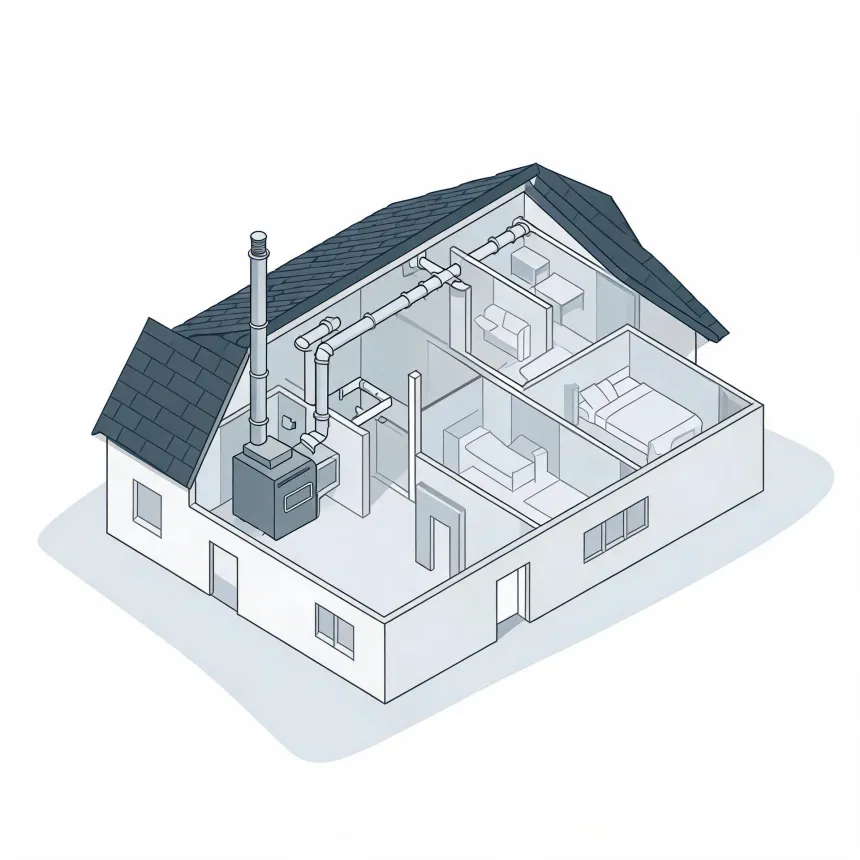
NOAA 1991–2020 monthly normals
A new furnace and air conditioner would cut about $180 a year off heating and cooling for a typical Bridgeport home.
Estimates for a typical Bridgeport home, compared with an older unit built to the previous federal minimum, from EIA household energy data, Connecticut fuel prices and NOAA climate normals. Your home will differ.
Repair makes sense when one part has failed.
Replacement makes sense when the furnace's heat exchanger is cracked, the air conditioner's compressor has failed, or repairs keep coming.
Connecticut requires HVAC contractors to hold a state license.
The Department of Consumer Protection tests and records the contractor, not each job. That license is tied to the person or business doing the work, so it stays with them from one repair to the next rather than being issued fresh every time someone hires them.
For a repair on a heating and cooling system, that license is what stands behind the person working in your house. It covers the contractor's standing with the state, not a sign-off on this particular repair. The DCP record is what exists here to answer for the work.
Sources: Connecticut General Assembly · Connecticut Department of Consumer Protection
- Why is my heat not working?
- Most of the time it comes down to power, gas, or airflow. If you have a gas furnace, check that the gas valve is open. A furnace that clicks but does not light usually has a bad igniter or a flame sensor that needs cleaning. If the blower runs but the air feels cool, a clogged filter can choke off airflow enough that the furnace shuts itself down to protect the heat exchanger. Check the thermostat batteries and the breaker too, since those get overlooked more than they should. With winter nights here averaging 26°F, a furnace that is not heating needs attention fast, not next week.
- Why is my system running but not cooling the house?
- If the fan is running but the air is not cold, the most common cause is a dirty air filter or a coil that has iced over from restricted airflow. A refrigerant leak will also cause this, and it will not fix itself since refrigerant does not get used up, it only leaks out. Check the outdoor unit too. If the condenser fan is not spinning or the unit is caked with dirt and leaves, it cannot shed heat properly and the whole system loses its ability to cool. With summer afternoons here averaging 81°F, a system that runs without cooling needs a look before the next hot stretch.
- What can I check before calling for HVAC repair?
- Start with the thermostat. Make sure it is set to heat or cool as needed and that the batteries are good. Check your breaker panel for a tripped breaker, since a furnace or air conditioner that will not start at all often traces back to that. Pull the air filter and hold it up to the light. If you cannot see through it, replace it, since a blocked filter can cause problems that look like bigger failures. For a gas furnace, check that the gas valve is open. None of this replaces a proper diagnosis, but it rules out the simple causes before a contractor prices the actual repair.