
HVAC Installation in Bridgeport, CT
A new system here will heat from October through May and cool from June through September every year. Tell us about the house, and a licensed contractor who covers Bridgeport will get in touch.
Tell us about the job
It takes about a minute.
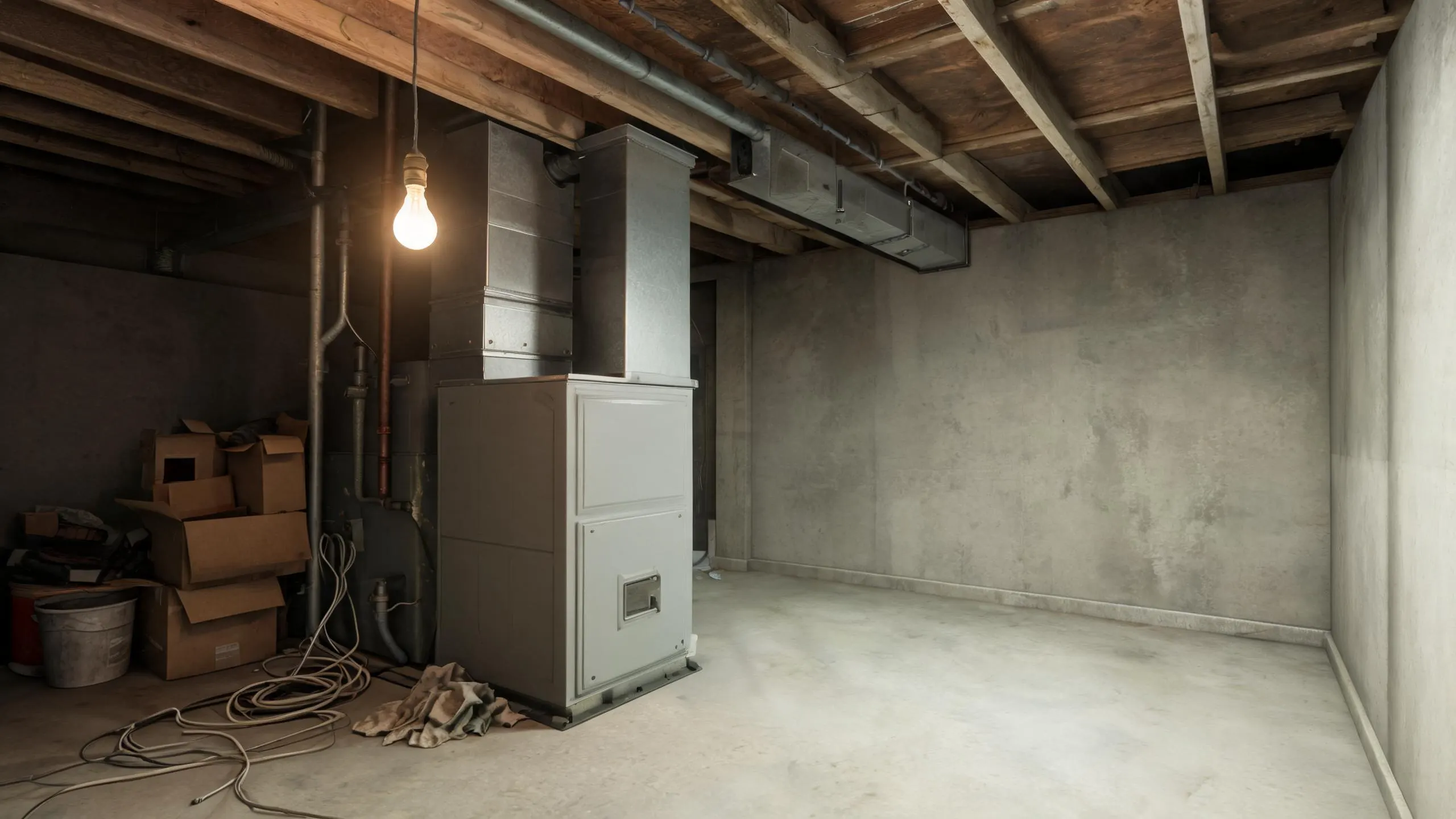
Bridgeport asks a new system to work most of the year
Heat is needed October through May, eight months straight, with winter nights averaging 26°F. Cooling picks up the other four months, June through September, with afternoons around 81°F. That leaves almost no season off, so a new furnace or heat pump and a new air conditioner or condenser both matter here, not just one or the other.
57.4% of homes in the area heat with gas, and any new gas furnace installed today has to meet the federal efficiency minimum. In 2024, 20% of Connecticut households went at least 24 hours without power, worth keeping in mind if you are choosing a system and thinking about how it handles a stretch without electricity.
- 8 months
- October through May, your system heats
- 4 months
- June through September, it cools
- 26°F
- the average winter night it heats against
- 81°F
- the average summer afternoon it cools against
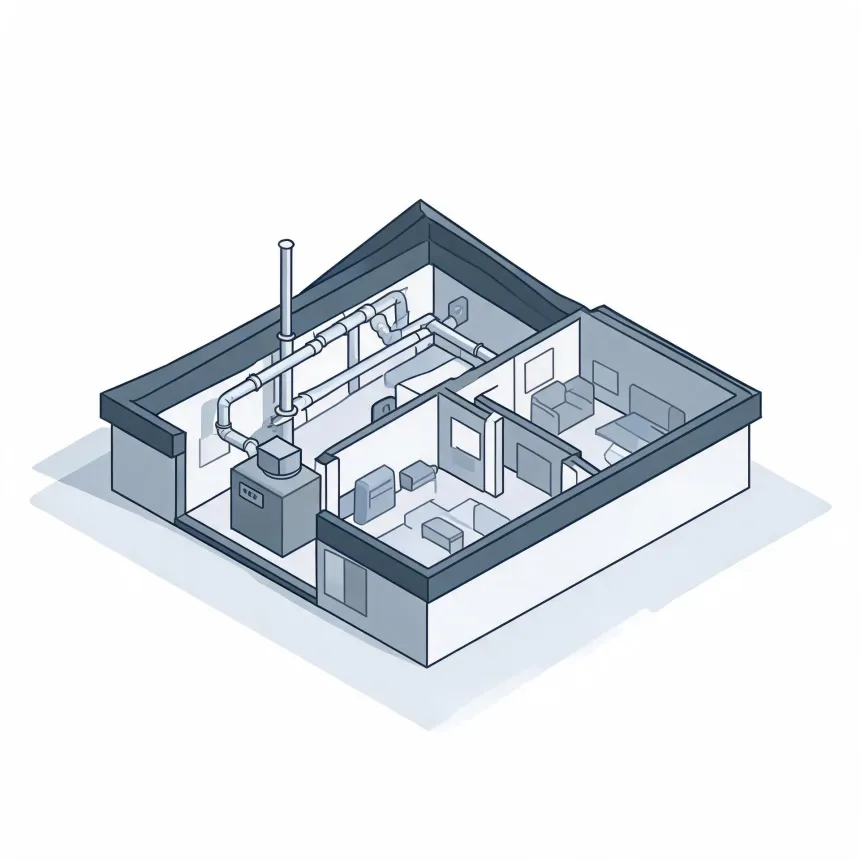
NOAA 1991–2020 monthly normals
Connecticut requires HVAC contractors to hold a state license.
Connecticut tests contractors before handing out this license, and the Department of Consumer Protection keeps the record. The license belongs to the contractor, not to any one job, so it tells you this company met the state's standard before they ever showed up at your door.
For an installation, that license is what stands behind the work itself. On top of it, most cities and counties require a permit from the local building office for a job like this, with an inspection once the work is done. That inspection checks the finished system, separate from whatever the state already knows about the contractor holding the license.
Sources: Connecticut General Assembly · Connecticut Department of Consumer Protection
- When should I replace my HVAC system?
- Replace it when repairs start happening every year, when the unit can't keep the house comfortable anymore, or when a technician tells you the parts failing are the expensive ones. An old furnace or air conditioner that needs a major repair is often close to needing a full replacement anyway. Homes here need heat from October through May, so a furnace that's struggling is worth replacing before winter, not during it. A contractor can look at the age and condition of your system and tell you whether repair still makes sense.
- Should I replace my furnace and air conditioner at the same time?
- If both are old, replacing them together is usually the better move, but it depends on the condition of each one. A furnace and air conditioner installed at different times often don't wear out at the same rate, so one can still be sound when the other fails. Replacing both together also means the new equipment is matched and sized to work as one system. A contractor can check both units and tell you whether one or both need to go.
- What happens during an HVAC installation?
- A contractor removes the old equipment, sets the new furnace or air conditioner in place, and connects it to your ductwork, gas line or electrical, and condensate drain. For an air conditioner, the refrigerant lines get connected and checked for leaks. For a furnace, the venting gets installed or verified. Once everything is connected, the system gets tested and the settings adjusted for your home. Connecticut requires HVAC contractors to hold a state license issued by the Department of Consumer Protection, so this work has to be done by someone licensed.