
Furnace Repair in Hartford, CT
Furnaces here run from October through May. If yours quits, tell us what it's doing and a licensed contractor who covers Hartford will get in touch.
Tell us about the job
It takes about a minute.
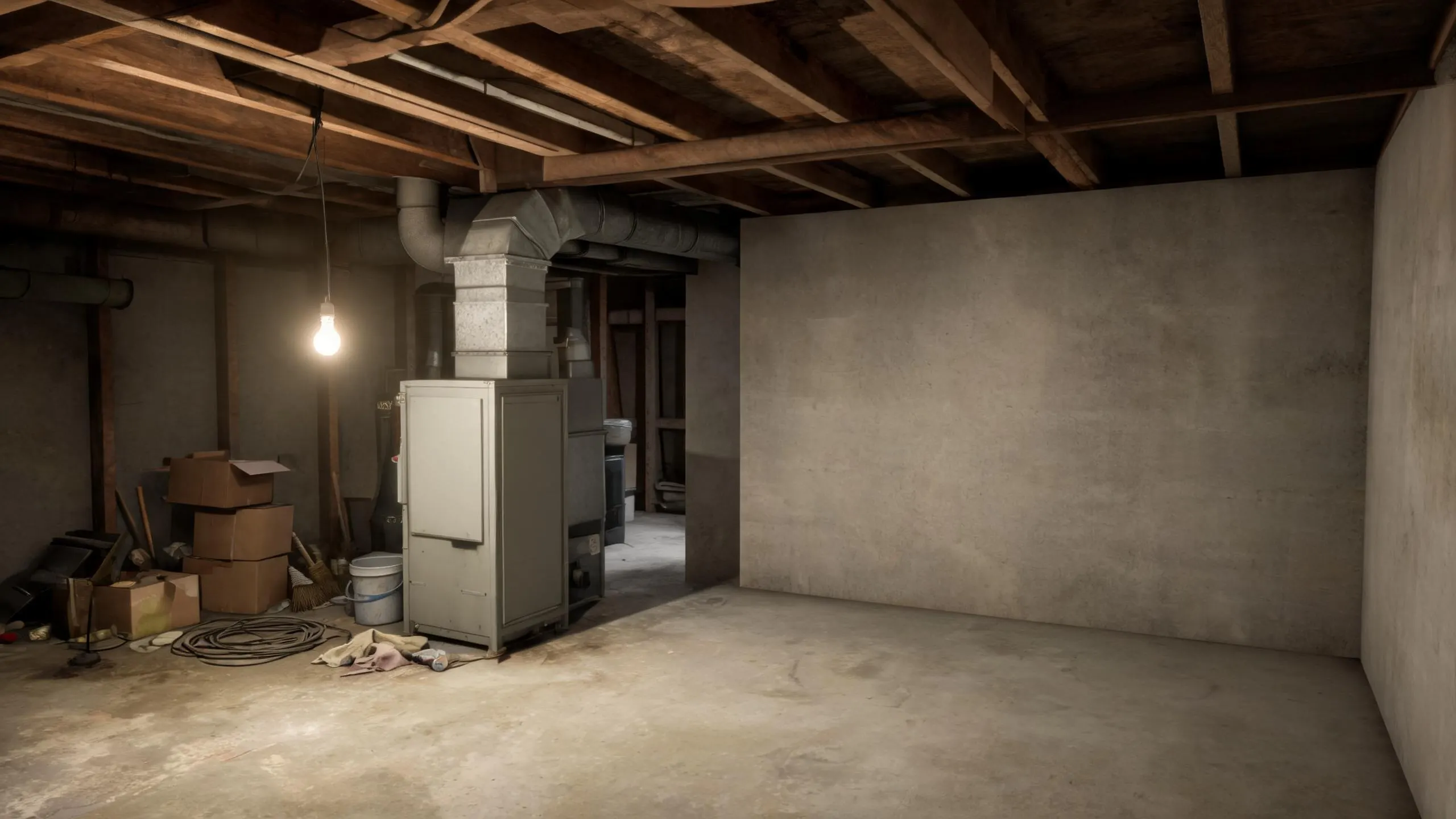
Eight months of heat puts a lot of hours on your furnace
Hartford needs heat from October through May. On the nights in between, when the temperature drops to an average of 21°F, your furnace runs long stretches to keep the house warm, and the burner cycles on and off many times a day. Every one of those cycles puts wear on the igniter and the parts that start the burner.
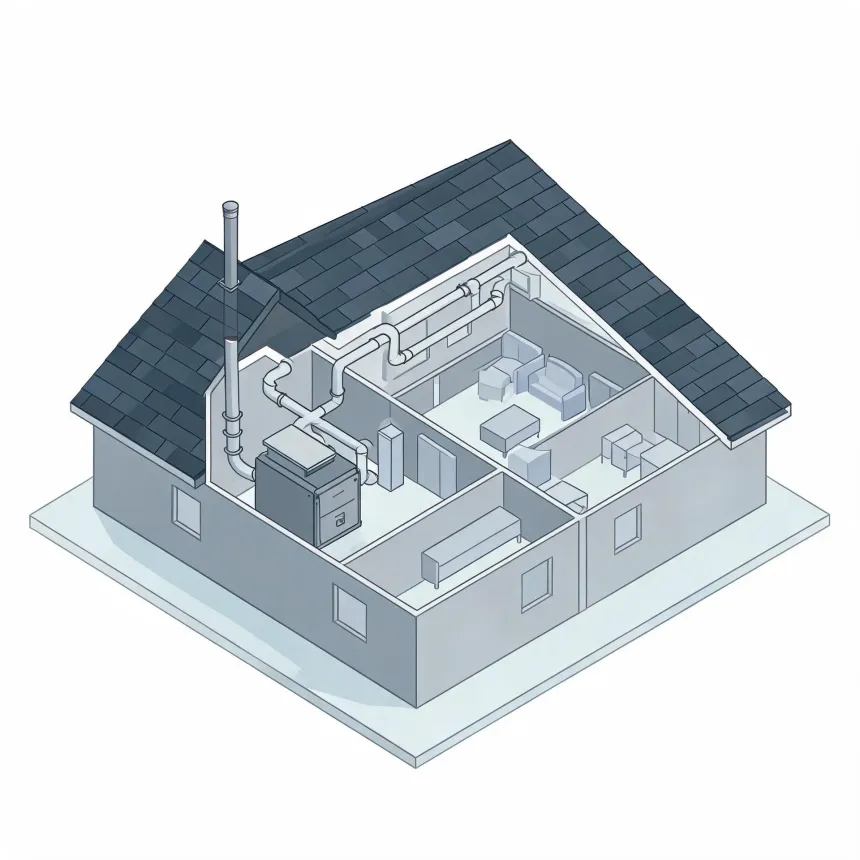
Almost half the homes here heat with gas. A gas furnace with a standing pilot stays lit through a power outage, but the blower still needs electricity to move heat through the house. In Connecticut, 20% of households went at least 24 hours without power in 2024. If your furnace won't start after the power comes back on, that is often where to look first.
- 8 months
- October through May, your furnace is on duty
- 21°F
- the average winter night it heats against
NOAA 1991–2020 monthly normals

A new furnace would cut about $160 a year off heating for a typical Hartford home.
Estimates for a typical Hartford home, compared with an older unit built to the previous federal minimum, from EIA household energy data, Connecticut fuel prices and NOAA climate normals. Your home will differ.
Repair makes sense when one part has failed and the heat exchanger is sound.
Replacement makes sense when the heat exchanger is cracked or the furnace keeps needing parts.
Connecticut requires HVAC contractors to hold a state license.
The license is held by the contractor, not tied to your specific address or job. Connecticut's Department of Consumer Protection tests and records the people who hold it, so a licensed contractor has been through that process before they ever get to your furnace.
For a furnace repair, that license is what stands behind the work. Gas furnaces need a tight connection at every joint, and that is the part a license is meant to catch before it becomes a problem in your house. Almost half the homes in Hartford heat with gas, so this is not a small detail here.
Sources: Connecticut General Assembly · Connecticut Department of Consumer Protection
- Why won't my furnace turn on?
- Most often the thermostat isn't calling for heat the way it should, or power isn't reaching the furnace. Check that the thermostat is set below room temperature and has fresh batteries if it uses them. Next check the furnace switch, the one that looks like a light switch near the unit, and the breaker at your panel. If those are fine, the igniter or a safety switch may be keeping the furnace from starting, and that's a job for a licensed contractor to check.
- Why is my furnace blowing cold air?
- Check your thermostat fan setting first. If it's set to "on" instead of "auto", the blower runs even when the furnace isn't heating, and that feels like cold air. If the setting is right and you're still getting cold air, the furnace may be failing to ignite, or the flame is going out right after startup. That points to a problem with the igniter or the flame sensor, and it needs a contractor to diagnose.
- Why won't my furnace pilot light stay lit?
- A pilot light that won't stay lit is usually the thermocouple, the small sensor that tells the gas valve the flame is burning. When it wears out or sits out of position, it shuts the gas off even though the pilot is lit, because it reads the flame as out. A draft blowing across the pilot can also do it. Either way, it's a gas valve component, and a licensed HVAC contractor should be the one to relight it and check it, not something to keep retrying on your own.