
AC Maintenance in Hartford, CT
Air conditioners here run from June through August, so May is the time for a tune-up. Tell us about your system, and a licensed contractor who covers Hartford will get in touch.
Tell us about the job
It takes about a minute.

Three months of real work
Your air conditioner in Hartford earns its keep from June through August, when afternoons average 81 degrees. The rest of the year it sits.
That long idle stretch is exactly why a check before summer matters. A unit that has not run in months needs to prove it still works before the first hot afternoon asks everything of it, not during. A tune-up run before June finds what is not ready while there is still time to fix it, instead of leaving you to find out on the day you need the cooling most.
- 3 months
- June through August, your air conditioner is on duty
- 81°F
- the average summer afternoon it cools against
NOAA 1991–2020 monthly normals
Book your AC tune-up in May, before homes here start needing cooling in June.
- Jan
- Feb
- Mar
- Apr
- May
- Jun
- Jul
- Aug
- Sep
- Oct
- Nov
- Dec
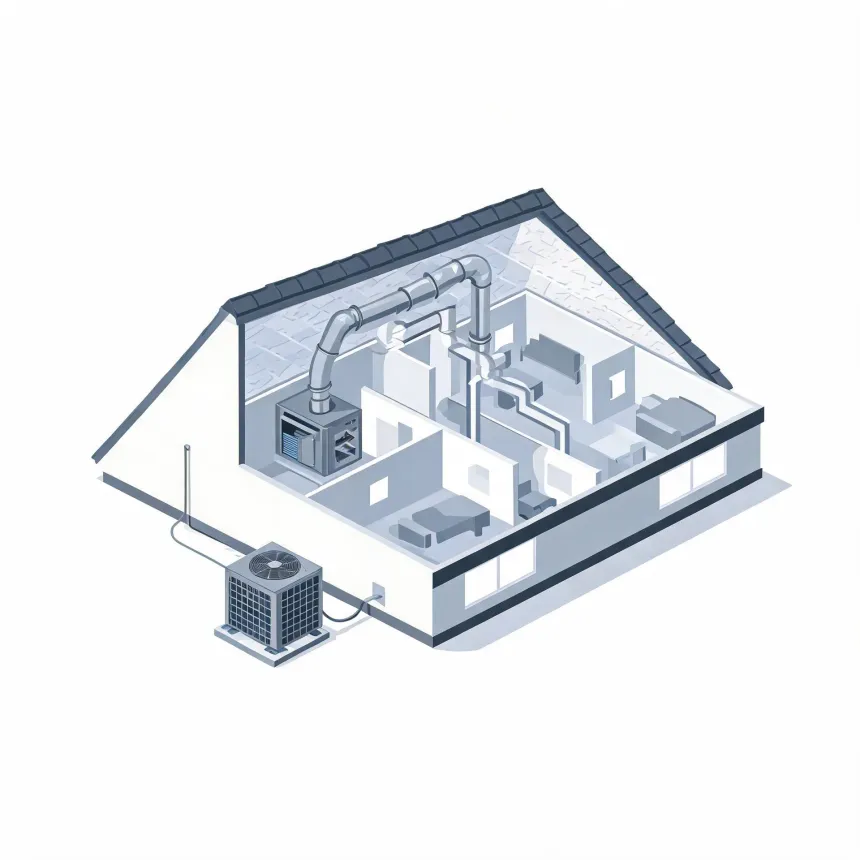
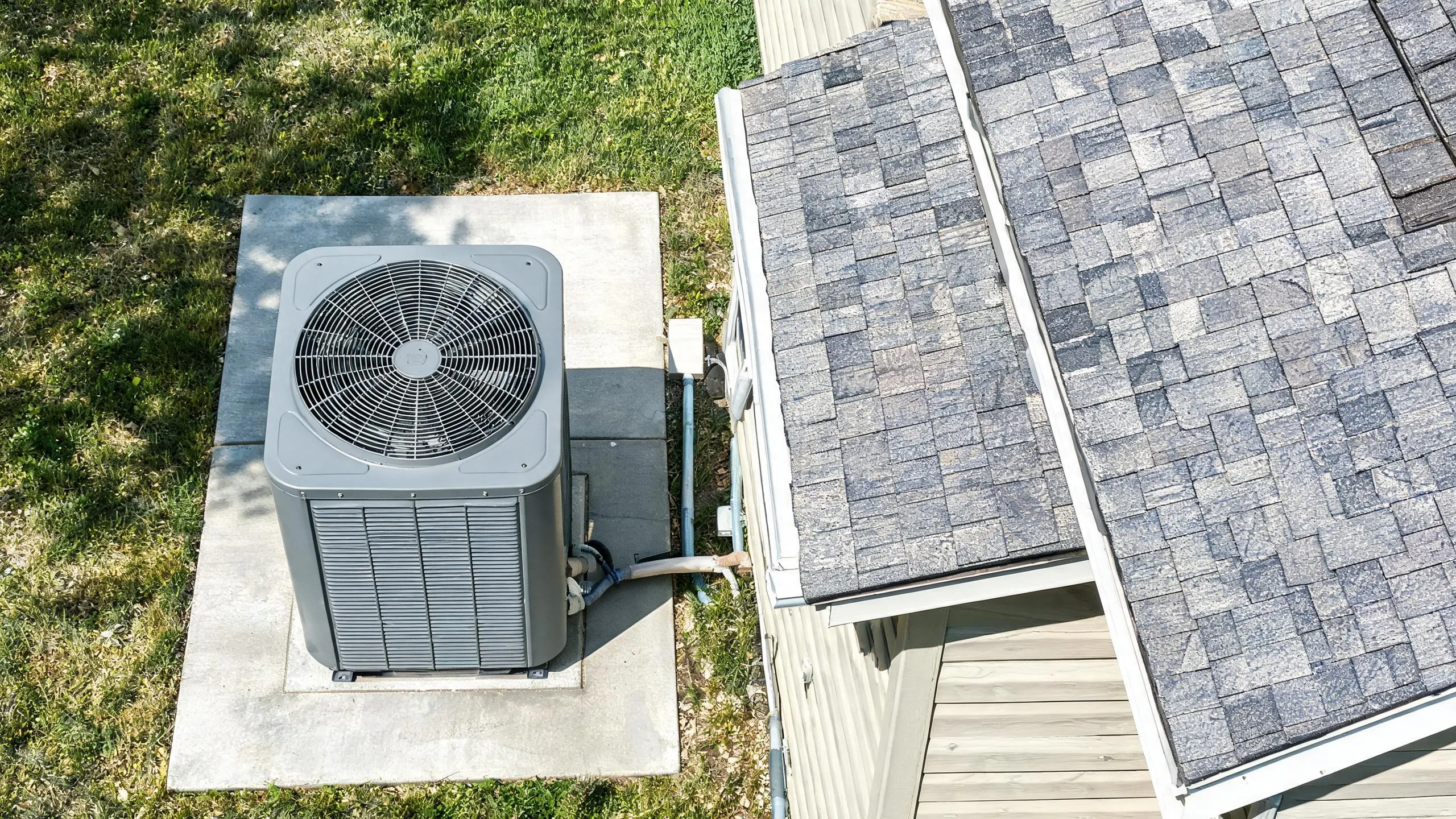
A tune-up checks the refrigerant charge, cleans the coils, tests the capacitor and tightens the electrical connections.
Connecticut requires HVAC contractors to hold a state license.
The Department of Consumer Protection tests and licenses HVAC contractors in Connecticut, and it keeps a record of who holds that license. It's tied to the contractor, not to any single job, so the same license that covers a furnace install covers the tune-up on your air conditioner.
For a maintenance visit, that license is what stands behind the person in your house. If the technician opens the refrigerant side of your system to check the charge, federal law also requires them to hold EPA Section 608 certification, which is separate from the state license and applies no matter where you live.
Sources: Connecticut General Assembly · Connecticut Department of Consumer Protection
- What does AC maintenance include?
- A contractor checks refrigerant charge, cleans the condenser coil, and tests the capacitor and contactor in the outdoor unit. Inside, they check the evaporator coil, inspect the blower, and make sure the condensate drain is clear and draining. They also confirm the thermostat is calling for cooling correctly and check the electrical connections for wear. Each of these can cause a breakdown on its own, which is why a real check covers all of them rather than just one or two.
- How often does an air conditioner need maintenance?
- Once a year is enough for most home air conditioners. Spring is the best time, before the cooling season starts, so a worn part gets caught before the unit has to run through the heat. Homes here only need to cool for about three months, June through August, but the system still needs the yearly check even with that shorter run time, since a capacitor or coil wears the same way no matter how long the season runs.
- Is AC maintenance worth it?
- Yes. A yearly check catches a worn capacitor or a dirty coil before it causes a breakdown during a hot stretch. With summer afternoons here averaging 81°F, a system that is not maintained works harder to keep the house cool, since a dirty coil or low refrigerant charge makes it run longer for the same result. Regular maintenance also keeps a manufacturer's warranty valid, since most require proof of annual service.