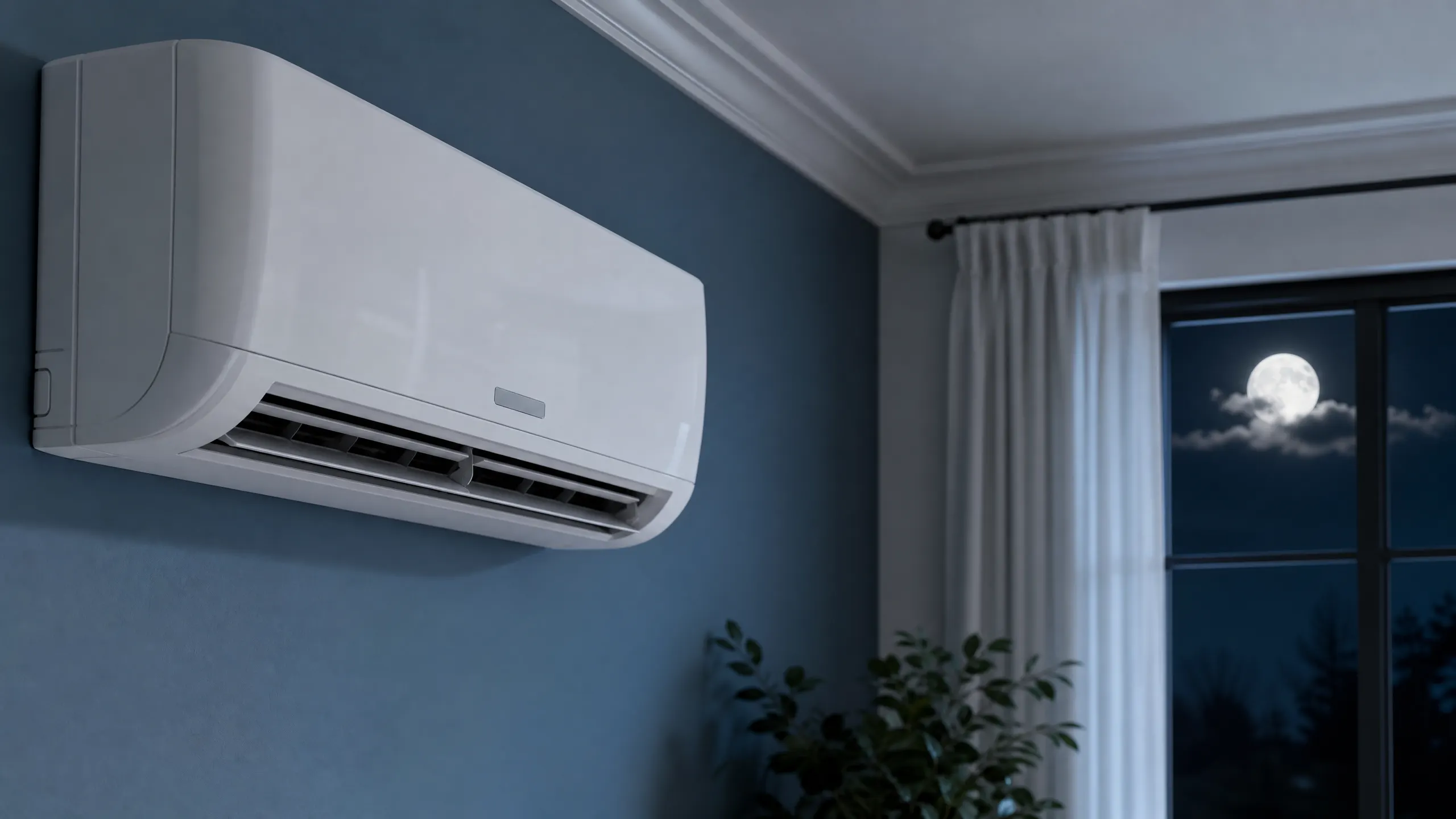
Mini Split Installation in Torrington, CT
A new system here will heat from October through May and cool from July through August every year. Tell us about the house, and a licensed contractor who covers Torrington will get in touch.
Tell us about the job
It takes about a minute.

A mini-split in Torrington works ten months a year
Winter nights here average 17°F from December through February, and a mini-split has to keep pulling heat from that cold air the whole stretch. Homes in Torrington need heat from October through May, eight months, and cooling in July and August. That's ten months of the year the system is running one mode or the other, with barely a break between.
A unit installed today has to meet the federal minimum for split-system heat pumps, 14.3 SEER2 for cooling and 7.5 HSPF2 for heating. At 17°F, a mini-split is doing real work to hold that HSPF2 rating, not just meeting it on paper. More than half the homes here still heat with fuel oil, so a mini-split going in now is often taking on the coldest months for the first time.
- 8 months
- October through May, your system heats
- 2 months
- July through August, it cools
- 17°F
- the average winter night it heats against
- 80°F
- the average summer afternoon it cools against
NOAA 1991–2020 monthly normals
Connecticut requires HVAC contractors to hold a state license.
The Department of Consumer Protection issues that license after testing the contractor, and it keeps a record of who holds one. What it does not do is sign off on any single job. The license means the person or company doing your installation was tested by the state and is on file there.
That license does not reach the mini-split itself once it is on your wall. That job comes from the local building office. A mini-split installation in most cities and towns needs a permit before the work starts and an inspection once it is done, and that inspection is what checks the work at your address.
Sources: Connecticut General Assembly · Connecticut Department of Consumer Protection
- Is a mini split worth it?
- For most homes here, yes, especially if part of the house is heated with fuel oil now. More than half the homes in the area run on fuel oil, and a mini split gives you an electric option for the rooms that need it most without touching the existing system. At 17 degrees average low in the winter, a mini split rated for cold climates will still put out heat, but check that the model a contractor proposes is rated for that kind of cold. It also covers the two months of summer cooling, so one unit is doing work for most of the year instead of sitting idle.
- How many rooms can a mini split cover?
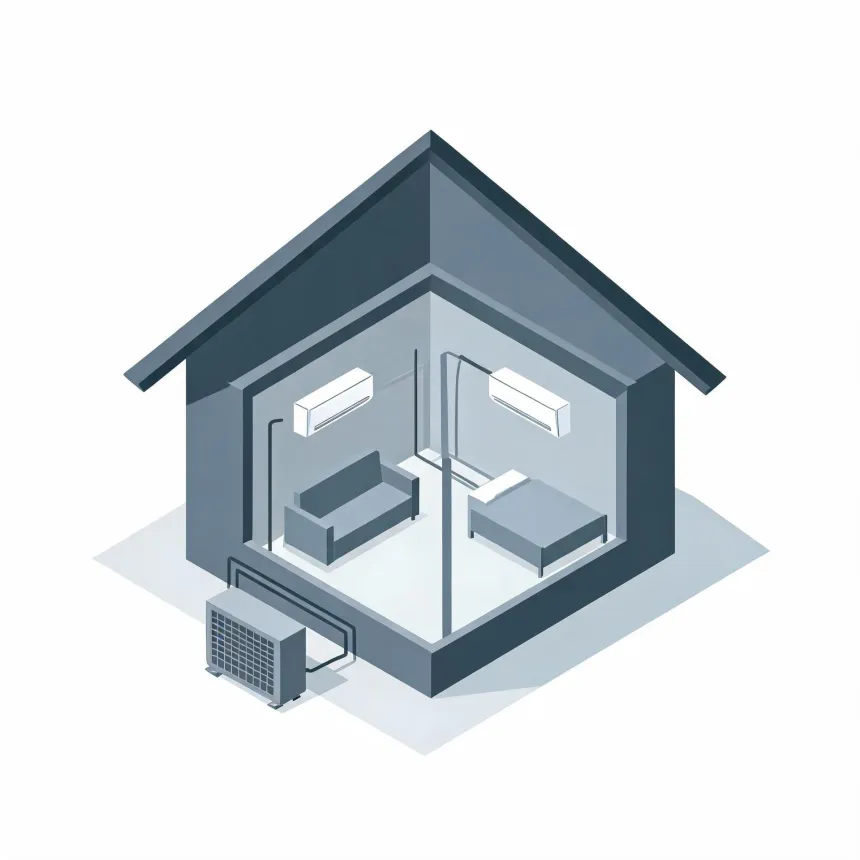
- A single indoor head heats and cools the one room it's mounted in, sized to that room's square footage and layout. If you need more rooms covered, a multi-zone system runs several indoor heads off one outdoor unit, and each head is controlled on its own. A contractor will size the number of zones and the output of each head to the rooms you want covered.
- Can a mini split heat a whole house?
- It can, with enough indoor heads placed to reach every room, but that's a bigger job than a single-zone install. Homes here need heat from October through May, eight months of the year, and winter nights average 17 degrees, so whole-house coverage means sizing the outdoor unit and each zone for real cold, not just mild days. A contractor can work out whether a multi-zone mini split makes sense as the only heat source for your house or whether it's better paired with what you already have.