


Running clean
This is a furnace burning the way it should. The flame stays steady, the flue pulls exhaust straight out, and nothing lingers in the basement air. If yours looks like this and the smell still clears in a few minutes, it's just startup.
An oil smell from your furnace usually means it just kicked on after sitting idle, or a bit of oil didn't fully burn during startup. Oil furnaces are common across Connecticut, especially in older homes not hooked to gas lines, and a faint smell for the first few minutes of a cycle is normal. It should fade once the burner is running steady. If the smell lingers the whole time the furnace runs, or it's strong enough to notice in other rooms, that points to something else: a cracked heat exchanger, a dirty or misaligned nozzle, or oil pooling in the combustion chamber instead of burning clean. Soot around the furnace or on nearby walls is another sign the burner isn't combusting properly. None of this is something to wait out. An oil smell that doesn't clear on its own means the furnace needs a technician to look at the burner assembly and check for leaks before you run it again.






Oil sprays into the combustion chamber from the nozzle.
The igniter sparks and lights the oil spray.
Leftover oil on cold parts burns off as the burner warms up.
The flue carries exhaust and odor out of the house.
This is a furnace burning the way it should. The flame stays steady, the flue pulls exhaust straight out, and nothing lingers in the basement air. If yours looks like this and the smell still clears in a few minutes, it's just startup.

An older unit like this, especially with moisture on the walls around it, is worth a closer look if the oil smell hangs on. Staining and age don't cause a smell by themselves, but they're a sign the burner or flue hasn't had eyes on it in a while.

An oil furnace usually sits in the basement, and that's where the smell settles first. If the odor clears in a few minutes, it's not spreading past the mechanical room. If it's lingering, it can work its way up through the stairwell or the ducts and reach the rooms where people actually spend time. That's a different problem than a smell contained to one corner of the basement.
Winters here demand a lot from that furnace, and a burner or flue issue that goes unchecked tends to get worse once the system is running for hours at a stretch rather than cycling on and off. If you're not sure whether what you're smelling is normal startup or something else, sending in what you've noticed, when it happens, how strong it is, whether there's soot, gets you connected with a contractor who can look at your specific furnace and tell you which one it is.


The nozzle sets how the oil sprays into the chamber, fine enough to light clean and burn fully. A worn nozzle sprays unevenly, so some oil pools instead of igniting right away. That leftover oil burns off slow and smells stronger than a normal startup. A contractor checking this will often find nozzle wear or buildup before anything else, since it's the part that shapes the whole burn.

The flue pipe runs from the furnace to outside, pulling combustion exhaust and odor along with it. When it's clear and draws properly, smell shouldn't make it past the mechanical room. A partial blockage, a loose connection, or a flue that's pitched wrong slows that draw down, so exhaust backs up near the furnace instead of leaving the house. That's often why a smell lingers well past the minute or two a normal startup takes.
You'll notice it most in the basement, right where the furnace sits. A normal startup smell is faint and gone in a few minutes, and you might only catch it once or twice a day when the furnace cycles on after sitting idle. If what you're smelling is stronger than that, or it hangs around the whole time the burner runs, or you're starting to smell it on the first floor instead of just downstairs, that's not the furnace settling in. It's burning dirty. Left alone, a furnace running like that keeps putting soot and unburned oil into the air it's heating, and the smell won't go away on its own. It gets checked, or it keeps happening every time the heat kicks on.


Once you send the form, finding a pro is off your list.
No fee to send it, and nothing to sign.
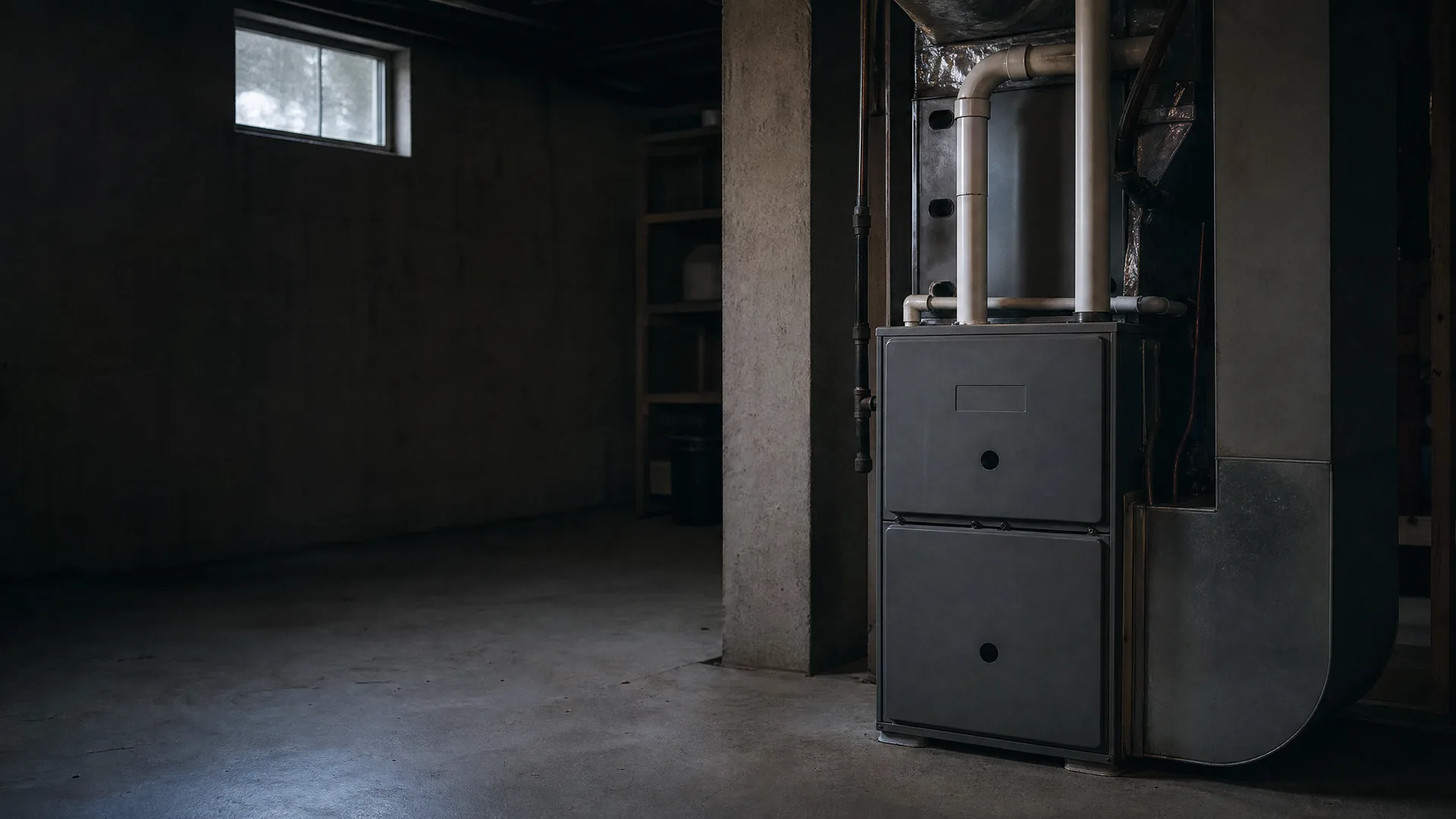
You go down to switch the laundry over and the basement is cold, colder than it should be for November. The furnace sits dark. No hum, no smell of oil, nothing. You stand there a second, waiting for it to kick on the way it always does, and it doesn't. A thin film of dust hangs near the burner panel, the kind that settles when a furnace hasn't fired in a while. You reach for the thermostat upstairs in your head before you've even left the room. Outside it's already dropping toward the 30s. Whatever is keeping it quiet tonight, it's not burning anything off, and it's not warming anything either.
On a night when it's in the single digits outside, you notice the oil smell is stronger than it usually is, and it lasts longer before it clears. You haven't changed anything about the furnace, so it's natural to wonder if the cold itself is doing something to make the smell worse, or if this is a sign the furnace is struggling to keep up on the coldest days.
On a cold day, your furnace runs longer each cycle and kicks on more often to keep up. Every startup burns off a little leftover oil before the flame settles, so more startups means more chances to catch that smell. The furnace isn't doing anything wrong by running harder. It's doing what it's built to do on a night in the teens or below. If the smell still clears within a few minutes each time, even if you're noticing it more often, that's the normal pattern, just more frequent because the furnace is working more. It's worth paying attention to if the smell starts lasting longer on these cold days, not just happening more often, since that points to something beyond normal startup.
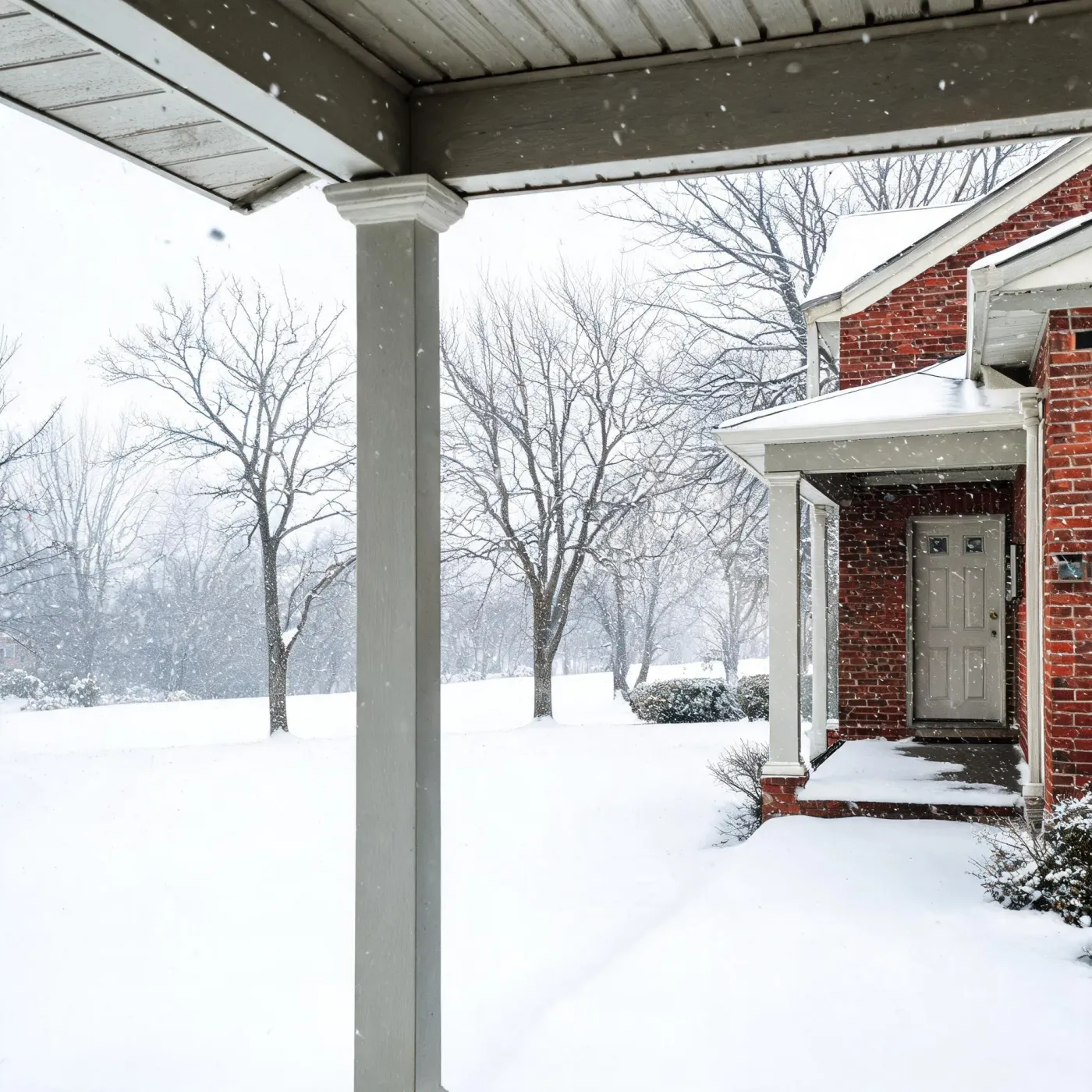
Winter nights average 23°F statewide, so your furnace is firing on more than it's idle through most of the night, not just a few cycles around dawn. Each startup burns off a little leftover oil before the flame settles, and on a cold night that happens more often between dusk and morning. That's why the smell can seem worse in January than it did in October, even though nothing about the furnace has changed. If it still clears within a few minutes each time, the furnace is doing what it's supposed to do on a cold night. Source: NOAA climate normals.
NOAA nClimDiv 1991-2020 county normals weighted by homes


At 23°F, your furnace isn't cycling on for a few minutes here and there. It's holding a long, steady burn most of the night to keep up. That means more startups fire through the dark hours, and more chances for a little leftover oil to burn off before the flame settles.
NOAA nClimDiv 1991-2020 county normals weighted by homes
Most of the time, that oil smell is just your furnace doing what it does every time it starts cold. The flame settles, the smell clears, and nothing about it needs attention. What's worth watching for is a smell that doesn't follow that pattern: it hangs around past startup, it's stronger than usual, or there's soot showing up near the panels. That's not the furnace settling in, that's a nozzle spraying unevenly or a flue not clearing exhaust the way it should.
Cold nights complicate the read a little. When it's in the 20s outside, your furnace holds a longer burn to keep up, which means more startups through the night and more chances for leftover oil to smolder before the flame steadies. A smell that lasts a bit longer on a cold night than it did last week isn't automatically a problem. But if it's lasting longer and longer, or showing up on nights that aren't especially cold, something's changed in how the burner is running.
The other thing to watch for isn't a smell at all. A furnace that goes quiet instead of firing, particularly on a cold night, is telling you something different than one that smells strong. That's not a smell to wait out, that's a furnace not running when you need it to.
If what you're seeing doesn't match the normal pattern, send the form and let a contractor take the next step. You're not left tracking down who's available or waiting on hold. Someone reaches out, and from there it's off your plate.





After you send the request, you're done searching.
Sending the form costs nothing.
